


For many businesses in Northern California, success or failure is almost entirely dependent on their vehicle fleet. From taxi and shuttle services to parts delivery, moving companies, and electrical contractors, vehicles are their lifeblood. Of course, when you’re putting a lot of miles on a truck, van, or car, it means a lot of wear and tear—and sometimes accidents or major breakdowns.
In addition to regular fleet vehicle maintenance that ensures the best performance, fleet managers also need to make decisions about whether to repair a busted-up vehicle or replace it. Knowing when each is more appropriate can make a huge financial difference for your company in the short term and long term. Here are some factors to consider when deciding whether to repair or replace a fleet vehicle so your company gets the most from each investment.
How Much the Repairs Cost vs the Vehicle’s Value
First, look at the cost of the repair and compare it to how much a fleet vehicle is worth. Some repairs, like brakes and suspension, are relatively inexpensive; others, like drivetrain repairs (engine, transmission, etc.) and bodywork, are significant costs. The depreciation of fleet vehicles due to age and wear should also be considered. Kelley Blue Book estimates the average vehicle loses 30% of its initial value in the first two years and another 8-12% per year after that, with the exact amount depending on vehicle condition.
While there’s no firm rule, the more a repair costs in relation to a vehicle’s current value, the more strongly you should consider replacement. Even a major fix like a new transmission can be justifiable on a newer fleet vehicle that’s otherwise in good shape. Eventually, though, you will reach the point where even mid-level repair jobs cost more than a fleet vehicle is worth. At this juncture, replacing the vehicle is typically a better use of money.
How Frequently the Vehicle Needs to Be Repaired
An occasional problem is normal, even on well-maintained vehicles. For these periodic issues, repairs are the better play as it’s just a minor bump in the road. But what if maintenance visits have gotten more frequent and your vehicle is in the shop once a month with different maladies? You should replace it as soon as possible. Not only will repair costs add up fast but there’s also the time and opportunity costs of not having the vehicle available for service. On a related note, if a repair could sideline a vehicle for weeks, you should also think more strongly about replacement. You might lose more money from the vehicle being out of commission than you save by getting it repaired.
Your Fleet’s Vehicle Needs and Availability
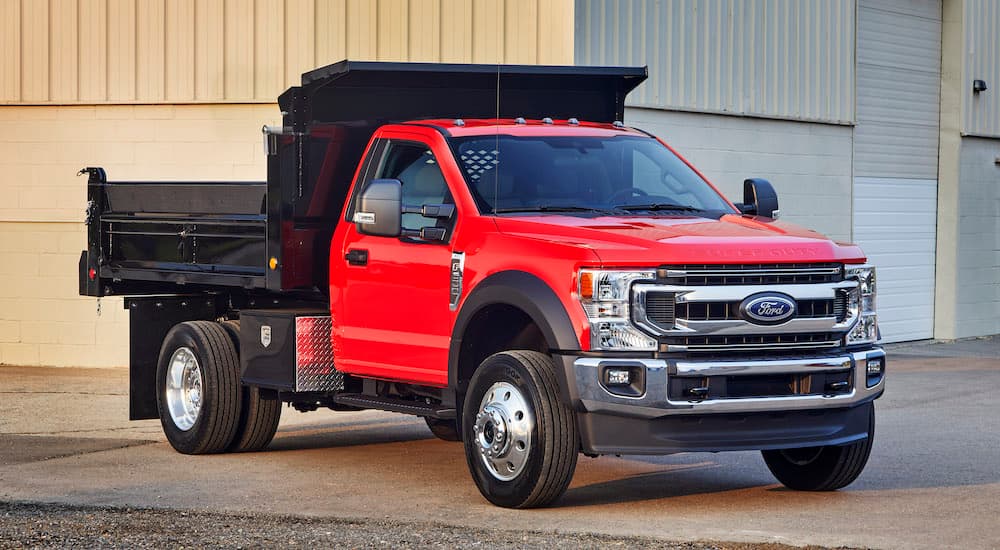
Consider how necessary the vehicle is for operations before deciding between repair and replacement. If the vehicle is used frequently, performs specialized tasks, or would be difficult to replace, getting it repaired may be better. Conversely, a vehicle may be underutilized because it’s fallen out of favor or the business’s mission and needs have changed. In these cases, instead of repairing the vehicle, you may be better off ditching it and finding a vehicle that will give you more operational value.
The Vehicle’s Performance and Efficiency
Vehicle design and technology march on, meaning new versions of fleet vehicles are more powerful and get better gas mileage. Meanwhile, performance tends to start declining in most vehicles after several years of heavy use. When a major repair comes up on an older fleet vehicle, this can be a good time to start looking for a replacement option, as better performance can help offset the costs. This should be reviewed on a case-by-case basis, though, as some vehicles keep pace better than others.
Whether There Are Safety Issues
In any fleet, you should put safety first and weigh it when deciding to repair or replace a vehicle. Safety is a two-fold consideration. First, related to the previous section, the safety of new vehicles is constantly improving, from better crumple zones and corrosion resistance to added driver assistance features. Replacing a vehicle lets you take advantage of an upgrade. Second, the existing vehicle’s safety may be compromised by frame damage, rust, or other issues that either can’t fully be repaired or are likely to crop up again.
Whether the Vehicle Meets New Emissions Standards
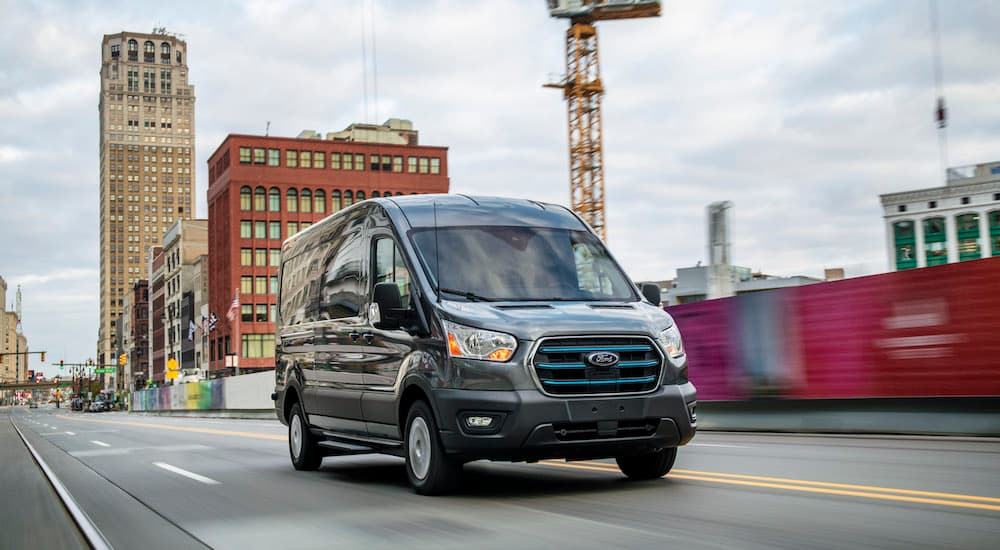
Emissions requirements, both federally and locally, continue to tighten for commercial vehicles, and your fleet must keep up. This is particularly relevant for Sacramento-area fleet owners, given the push for laws like the Advanced Clean Fleets (ACF) Regulation. Per this regulation from the California Air Resources Board, any business with fleets that are “well suited for electrification” must begin phasing out internal combustion engine vehicles in favor of zero-emissions options. While the ACF is currently on hold, fleet managers need to plan for the future. For vehicles that don’t meet this requirement, this is a good reason to consider passing on major repairs and instead replace them.
How Old the Vehicle Is
Even if an older vehicle seems to be running well, you should strongly weigh replacing it when a major issue comes up. There are a few reasons for this. One is that a vehicle’s performance tends to start falling off, and its maintenance needs start rising as it gets older, making new vehicles more attractive. Furthermore, in certain industries, having an older vehicle in your fleet can potentially reflect poorly on the company’s image.
How to Get the Most From Your Vehicle Fleet
For any transportation-based business, smart fleet management and good timing on repairs and replacement have a huge impact on success. Here are some tips for how to navigate the fleet landscape, help vehicles last as long as possible, and replace them at the opportune moment.
- Follow the regular maintenance schedule in the vehicle’s service manual. If a “severe conditions” schedule is provided, strongly consider following this schedule since fleet vehicles are typically pushed harder than regular vehicles.
- Have a general strategy for when to replace a vehicle based on factors like mileage, performance, the severity of repairs, etc. At the same time, be willing to deviate from this plan if and when appropriate.
- Collect and analyze as much data as you can using maintenance records, tracking apps, telematics, and every other avenue. This can tell you everything from fuel mileage to how often a vehicle is down for repairs, helping inform your decision.
- Keep the short-term and long-term health of your fleet and company in mind. Sometimes repairs can save you money short-term but cost more money in the long run—yet you may not reach the long run if you put yourself in a financial hole.
Let Future Ford of Sacramento Assist With Your Fleet Vehicle Needs
Whatever your current fleet objective is, Future Ford of Sacramento will help you meet it. We have a commercial vehicle service and parts center with certified technicians who work on all major fleet vehicle makes and models. From routine maintenance to getting emergency repairs done fast, you can trust our team. When the time comes to replace a vehicle, start your search with our large inventory of commercial vehicles that include pickups, cargo vans, Isuzu and Hino trucks, chassis cabs, and EVs.
We’re happy to talk about your needs and how to get the best performance and value from any vehicle fleet. Call us, send an email, use our online chat, or stop by our dealership on Madison Avenue. Together, we’ll keep your fleet working at full capacity now and in the future.
