


When you run a business, there are many moving parts that you need to be concerned with. Customer satisfaction, employee productivity, and company competition are just a few examples. Above all, however, you are probably concerned with profitability and what you can do to bring in more revenue or tactics that help cut costs. If your operations involve transport, your fleet vehicles are clearly crucial to success. However, due to things like fuel, upgrades, and upfits, they can also take up a good chunk of your budget. Service is another area that can be pricey with business vehicles, but it becomes even more expensive when it is ignored. This guide takes a look at the essentials of fleet vehicle maintenance and how spending some money upfront can end up helping you save quite a bit down the road.
Why is Vehicle Maintenance So Important?
Right now, every vehicle in your fleet may be running just as it should. And while it would be nice if they stayed that way forever, this just is not realistic. Over time, parts wear down and then wear out. Fluids get thick and dirty. In order for your cars to stay in excellent shape, they need to be serviced regularly. Along with key maintenance tasks, periodic checks allow technicians to look under the hood––and elsewhere––to give your autos a thorough exam so they can spot potential trouble spots and take care of them before they turn into big and expensive problems. Think of this like a medical appointment. After your doctor checks you out, they probably tell you what you are doing well and what you could be doing better. This is what routine maintenance for your vehicles provides.
How Do I Keep My Fleet Vehicles in Great Health?
Now that you know why maintenance is critical for your vehicles, it is time to get into the nitty gritty for exactly how best to take care of them. These are the service tasks that you need to focus on the most:
Oil Changes
If you have an all-electric fleet, you can skip this section, as vehicles without engines do not require oil. If your cars run on gas, keep reading. Oil plays a crucial role in gas-powered vehicles. It has a lot to do, with its most important job being to keep the moving parts in the engine adequately lubricated. This ensures that they work as they should and do not create harmful friction by rubbing against one another. Oil also helps keep an engine clean, and it prevents the buildup of sludge, which can cause a lot of problems. Oil does not stay pristine forever, however. In fact, it typically does not take very long for it to thicken up, which hampers the lubrication it can provide. Oil also gets dirty, particularly if you drive in dry or dusty conditions, and dirt hurts engine performance. You should check the owner’s manuals of your vehicles for more precise information about when oil should be changed, but the general recommendation is every 5,000 to 7,500 miles or every six months.
Tire Rotations
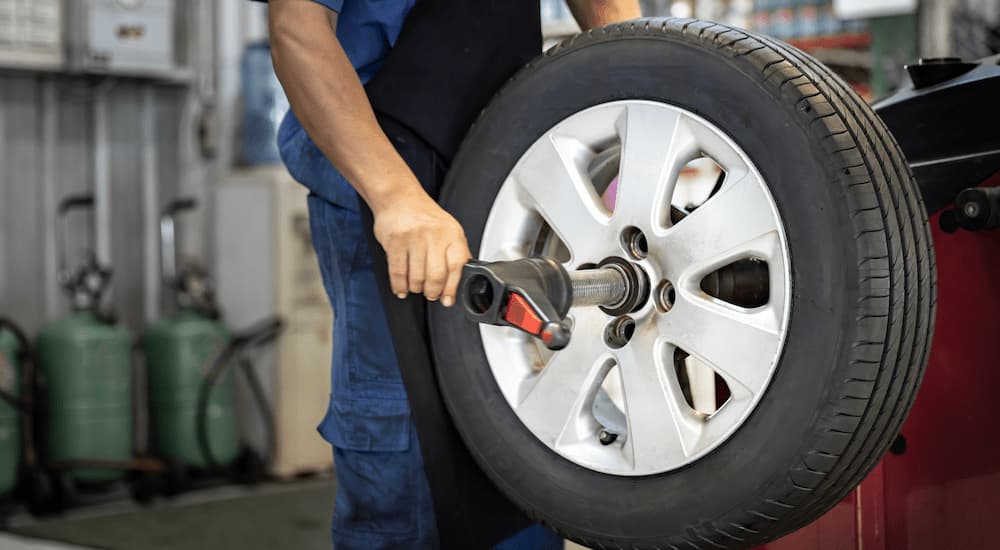
How many fleet vehicles do you have? Whatever this number is, multiply it by four. That is how many tires you need to be concerned about (more if you utilize trucks with over two axles). Tires wear down a little bit every time they hit the road, particularly if vehicles are carrying heavy loads. And because tires play a big role when it comes to performance and safety, you have to take care of them properly. Rotating them is vital for a couple of reasons. First, this allows them to wear down evenly, which helps them maintain good handling and traction. It can also extend their lifespan significantly. Remember all of those tires you thought of earlier? Think about how much it would cost to replace them. With regular rotations, they will stay in good shape for thousands of miles longer. Like with oil changes, this task should be performed about every six months or so.
Brake Inspections
When it comes to safety, your braking system is probably the most essential component of your vehicle. This is why you always have to be sure that it is in excellent condition. Parts like the pads and rotors will eventually wear out and need to be replaced, and doing this proactively is a smart idea. This is especially true when warning signs pop up. For example, if you hear a high-pitched noise when braking, this could be a clear indication of a thinning brake pad. Having this taken care of early will save you a lot of trouble later on. Even if the system seems fine, it should be looked at every year just to make sure everything is running just as it should be.
Battery Tests
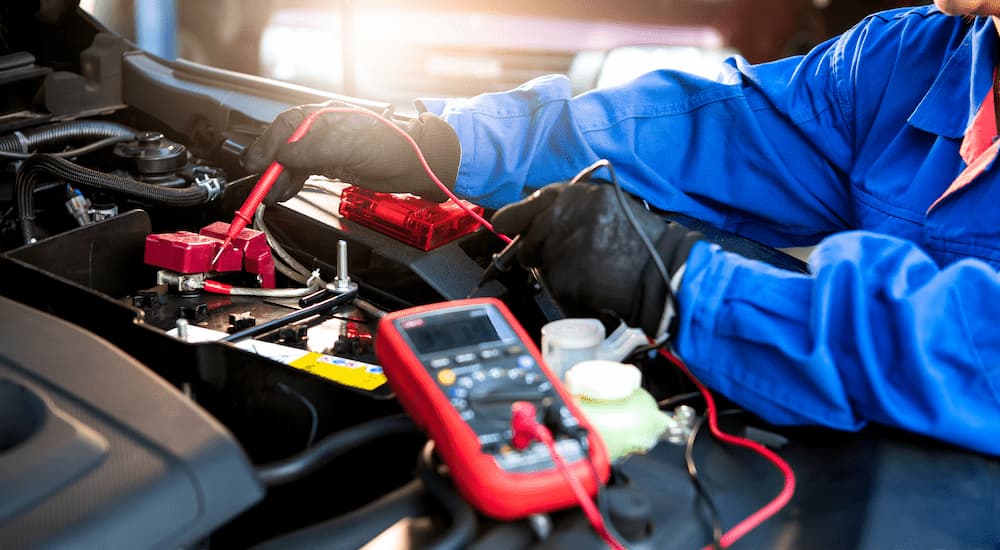
When your vehicles start up promptly, you can thank your batteries for that. The same is true if the infotainment system, stereo, lights, and other electrical components function properly. Like the other parts mentioned, however, batteries will not last forever. They can actually wear out in as few as three years, which is why they should be tested on an annual basis. This lets you stay on top of the remaining charge, and if you see that it is getting low, you can have it replaced so you will not have to worry about it quitting on you.
What Happens When Maintenance Is Skipped?
It is always a good idea to do things when you can and not when you have to, which is why preventative fleet maintenance is so important. In addition to making things safer for your workers, when your vehicles are in great condition, this helps prevent costly downtime. Plus, you can avoid pricey repairs. For instance, if you never change the oil, eventually, it will get so thick that it will cause the engine to fail. The result could be a huge repair or possibly the need for a new engine. If you neglect warning signs with your brakes, instead of a basic pad replacement, you might have to replace the entire system or have an expensive collision because the brakes failed. Surely, these are major costs that you would probably like to not have to worry about.
Get the Maintenance You Need for Your Vehicles
If you pride yourself on being a responsible business owner, you are probably good to your customers, employees, and vendors. But are you also good with your fleet vehicles? Keeping them in tip-top health is actually pretty easy; you just have to make sure that they get the right service at the right times. Future Ford of Sacramento makes this simple. Our trained and certified technicians can give you everything you need, including all of the maintenance tasks mentioned above. And here is something else we can do for you: Pick up your Ford vehicles at your location. Once the work is completed, we will then bring them back to you. Not only are our technicians experts, but they also get things done quickly, so you will not have to worry about your autos being out of service for very long. If your vehicles are due for maintenance, get in touch with us to schedule an appointment today.
